













To say the mood has been sober in business and political circles ahead of the Budget would be an understatement.
As one leading economist told me, the atmosphere is so febrile and uncertain it is hard to see anything Chancellor Rachel Reeves could do that would restore confidence – let alone work.
Even going ahead with her abandoned, manifesto-busting move to raise income tax might have been better than the situation in which she now finds herself.
At least then she would have pleased the bond markets, whereas right now she is pleasing absolutely no one.
This Budget looks likely to go down in history for all the wrong reasons. In more than 30 years as a financial journalist, I cannot recall a build-up that has been as dreadful as this.
I am indebted to former Number 10 aide Kirsty Buchanan for a fascinating classification of three different types of package chancellors deliver, outlined on the Whitehall Sources podcast on the theme of ‘A Survival Budget’, where I appeared on the panel. The first is a reforming budget, and the second is a narrative one.

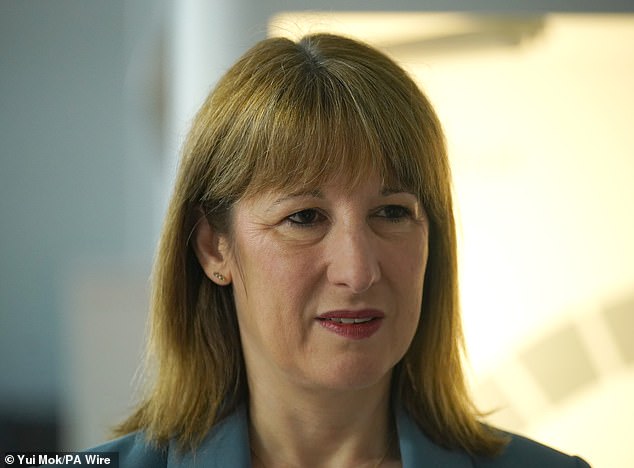
Weathervane: Rachel Reeves is skittering in different directions as she tries to appease Left-wingers and the bond markets
A classic of the first type was presented by David Lloyd George in 1909.
Known as The People’s Budget, it was all about redistributing wealth and creating a fairer society, as no doubt Labour would claim today.
Those with the broadest shoulders were, at that time considered to be the landed gentry, whose estates and incomes were to be taxed to fund social welfare including old-age pensions. Opposition from the House of Lords led to the 1911 Parliament Act which shaped modern politics by putting the primacy of the Commons into law.
I am not old enough to remember Lloyd George. However, Geoffrey Howe’s narrative budget of 1981 was the first to permeate my consciousness as a youngster in the North East.
Margaret Thatcher’s narrative was the need to drive down inflation – however painful that might be.
The recipe was cuts in public spending and tax increases, larded with windfall taxes on banks and North Sea oil at a time of high and rising unemployment.
Howe’s budget marked a break with the Keynesian thinking that had dominated since the Second World War in favour of monetarism, laying the foundations for the Thatcher revolution that still shapes Britain today.
It was very, very unpopular. Famously, a letter from 364 top economists attacking the Government policies was published in The Times. Whatever the right and wrongs, both these chancellors of yesteryear delivered conviction budgets, based on genuine principles and beliefs.
Rachel Reeves is an exponent of the third genre, the survival budget, where the key aim – more or less the only aim – is to keep her job.
There will probably be a smorgasbord of measures that will annoy a whole range of groups, and also be ineffective.
She has been a weathervane, skittering in different directions as she tries to appease Left-wingers and the bond markets.
Voters do not think in technical terms such as fiscal headroom. They want to feel there is a competent and credible person in Number 11 to think about those things on their behalf, so they can get on with running their lives.
They are mature enough to take some pain if they can see a real rationale and prospect of gain at the other side.
They may not be economics experts, but they know expediency and desperation when they see it.
DIY INVESTING PLATFORMS

AJ Bell
AJ Bell
Easy investing and ready-made portfolios

Hargreaves Lansdown
Hargreaves Lansdown
Free fund dealing and investment ideas

interactive investor
interactive investor
Flat-fee investing from £4.99 per month

Freetrade
Freetrade
Investing Isa now free on basic plan

Trading 212
Trading 212
Free share dealing and no account fee
Affiliate links: If you take out a product This is Money may earn a commission. These deals are chosen by our editorial team, as we think they are worth highlighting. This does not affect our editorial independence.
Compare the best investing account for you
#RUTH #SUNDERLAND #Britains #weathervane #Chancellor #skitters #directions