











Freeholders are continuing their battle to halt leasehold reform, having decided to appeal a key High Court decision against them.
In July, the High Court dismissed a significant legal challenge brought by major freeholders against the Leasehold and Freehold Reform Act 2024, which could make it cheaper for Britain’s 5.2million leaseholders to extend their leases or purchase the freeholds of their buildings.
The six freehold-owning companies, including those controlled by the Duke of Westminster and Earl of Cadogan who own swathes of land in central London, stand to lose substantially from the reforms and argued in court that they would have infringed upon their human rights.
The case failed, but the Commons Housing Committee has now confirmed that the freeholders plan to appeal.

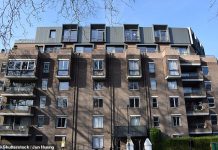
More delays expected: It has now been 18 months since the Leasehold Reform Act was passed in May 2024, but there has been limited progress
What does this mean for leaseholders?
It has been 18 months since the Leasehold and Freehold Reform Act was passed in the last hours of the Conservative government. However, most measures within it have not yet been implemented.
In a ministerial statement last November, a Labour Government promised steps to ‘switch on’ the Act, including consulting on the new rates and percentages which will be used to calculate the cost of lease extensions.
These promises have not materialised, because the Government was waiting for the outcome of the High Court decision before progressing.
Linz Darlington of lease extension specialists Homehold called on the Labour Government to implement the full provisions of the Act without further delay.
‘The sense of relief that the High Court ruled in favour of common sense is now being drowned out by a fresh wave of exasperation,’ he said.
‘Every single day of delay is a day that many can’t sell their properties, the value of their homes diminishes and the cost of extending a lease or buying their freehold increases.’
What is the freeholders’ argument?
The group of freeholders involved in the appeal disagree with the Leasehold and Freehold Reform Act in its current form.
They say it is unfair because it would harm their financial interests and could lead companies who make their money through owning freehold properties to collapse.
The Residential Freehold Association argues the legislation is ‘flawed’ and is a ‘worrying signal’ that investments and property interests can be ‘arbitrarily expropriated’ by the state without compensation.
A spokesperson from the RFA said: ‘The reforms also pose an immediate risk to the solvency of professional freeholders, which would collapse if these investments are undermined, leaving thousands of leaseholders in limbo and halting ongoing building safety remediation projects.
‘The Government must, as a matter of urgency, set out how these provisions will retain fair value for those who have committed their savings in this market.
‘This should be resolved alongside more careful consideration of proposals for future reforms to prevent further damage to investors and get the Government back on track to delivering meaningful reform for leaseholders.’

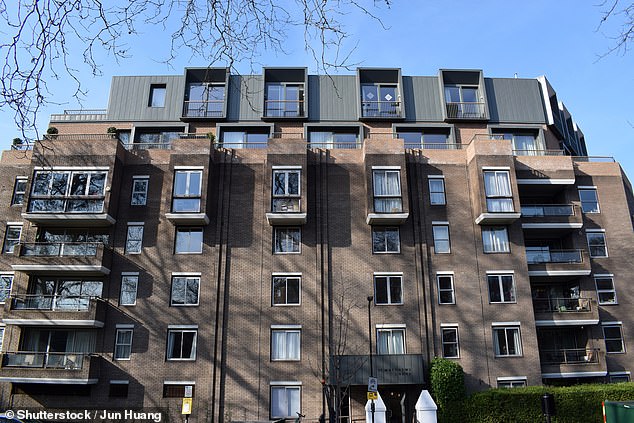
In limbo: The appeal process could take a further three years to be resolved, and leaseholders will continue paying for lease extensions at the current rates in the meantime
What happens next?
The appeal process is long, with estimates suggesting the Court of Appeal stage alone could take 18 months, followed by a further 18 months if the freeholders take their case to the Supreme Court.
The final threat is the European Court of Human Rights in Strasbourg, a final delaying tactic should the freeholders lose at the UK’s highest level.
‘The appeals will likely go on for years and take us all the way to Strasbourg,’ says Harry Scoffin, campaigner and founder of the campaign group Free Leaseholders.
‘We suspect the freeholder lobby are hoping that they can delay this agenda to the next general election and that a more favourable government will be installed.
‘This news is devastating for the 5.3 million leasehold households in England and Wales.’
Linz Darlington believes the appeal is unlikely to be successful.
However, he says that even an expensive appeal could represent a ‘win for the freeholders’ because leaseholders will continue paying for lease extensions and buying freeholds at the current rates in the meantime.
‘The Labour Government must find the gumption to accept the High Court’s clear ruling and crack on with implementing the Act,’ Darlington says.
‘We are demanding they stop waiting for the outcome of appeal after appeal and immediately launch the valuation consultation and lay the necessary secondary legislation.
‘Delaying implementation only serves the freeholders, not the people this Act was designed to protect.’
Why this matters to everyone
Leasehold represents a significant tranche of homes in Britain – many of which are flats. These flats were once considered a good way for people to get on to the property ladder.
However, over recent years, they have become seen as risky thanks in part to the post-Grenfell Tower cladding scandal, escalating ground rents and rising service charges.
This has left owners across the country trapped in leasehold homes that have fallen in value and are difficult to sell.
It means they are not able to move up the ladder, which has knock-on effects for the rest of the housing market.
‘This is not just a story about leaseholders,’ says Scoffin. ‘The leasehold logjam affects the entire property market.
‘According to Hamptons, 400,000 fewer flat owners put their homes on the market last year for fear of crystallising losses.
‘Would-be second-steppers are stuck, while leasehold has also become toxic as the first rung of the ladder for aspiring homeowners.’
#Freeholder #appeal #threatens #delay #leasehold #reform #flat #owners