











Debt levels in Britain will remain ‘significantly above’ most other advanced economies as Rachel Reeves becomes ever more reliant on the bond markets to balance the books, Budget documents show.
The national debt stands at £2.8 trillion but is set to pass £3 trillion next year and top £3.5 trillion in 2030-31, claims the Office for Budget Responsibility (OBR).
And the interest paid will balloon from £114billion this year to £140billion – or the amount spent on education and defence.
The UK has already ‘experienced one of the largest increases in government debt of any advanced economy over the past two decades’, having almost trebled as a proportion of GDP, said OBR chairman Richard Hughes.
But public sector net debt is set to rise further, from 95 per cent of GDP this year to 97 per cent in 2028-29, before falling slightly as Reeves meets her fiscal rules with £22billion of headroom to spare, the OBR said.
‘Over the remainder of the decade, debt levels are forecast to stay significantly above the averages of other G7 and advanced economies,’ Hughes warned.

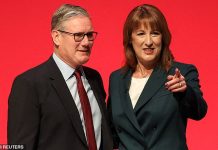
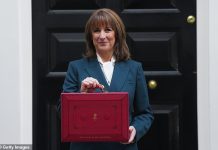
Spending habit: With Prime Minister Keir Starmer and Chancellor Rachel Reeves at the helm Britain’s national debt is set to pass £3trillion next year and top £3.5trillion in 2030-31
The Treasury issues gilts – parcels of government IOUs – to cover the difference between what it spends on public services and what it raises in taxes.
This debt is bought by financial institutions such as pension funds, insurers and hedge funds that receive interest in return.
About a quarter of this is held by overseas investors, making the UK vulnerable to ‘capital flight’ if they lose confidence in its prospects.
In a sign of just how jittery markets are, the cost of government borrowing spiked yesterday after the Budget was leaked by an OBR insider, before ending the day slightly lower.
The Treasury was set to sell £299.1billion of gilts this year, but that has risen to £304.7billion to pay for what the OBR called ‘higher spending pressures, in particular from local authorities and on welfare’.
‘In the near-term, the Government will spend and borrow more than previously planned,’ said Andrew Wishart, economist at Berenberg investment bank.
Higher taxes will help cut inflation next year allowing up to three more interest rate cuts, Wishart added.

DIY INVESTING PLATFORMS

AJ Bell
AJ Bell
Easy investing and ready-made portfolios

Hargreaves Lansdown
Hargreaves Lansdown
Free fund dealing and investment ideas

interactive investor
interactive investor
Flat-fee investing from £4.99 per month

Freetrade
Freetrade
Investing Isa now free on basic plan

Trading 212
Trading 212
Free share dealing and no account fee
Affiliate links: If you take out a product This is Money may earn a commission. These deals are chosen by our editorial team, as we think they are worth highlighting. This does not affect our editorial independence.
Compare the best investing account for you
#National #debt #top #trillion #Labour #interest #equal #entire #education #defence #budget