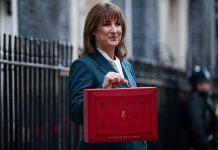










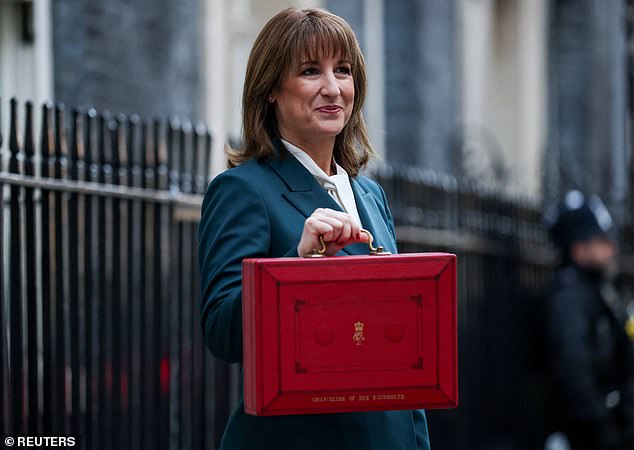


Rachel Reeves has been accused of trying to ‘manipulate’ the bond markets in the build up to the Budget.
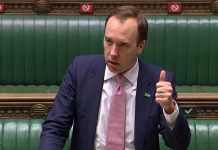
Tory Alex Burghart, shadow chancellor of the Duchy of Lancaster, warned it was a ‘very serious offence’ and called for an investigation.
The comments came amid a furious row over whether Ms Reeves deliberately misled voters and investors over the state of the finances in order to justify £30billion of tax rises.
Bond markets swung wildly leading up to the Budget amid speculation over the state of the public finances and the Chancellor’s plans.
Some of the moves coincided with Ms Reeves’ own words while others appeared to be triggered by reports of various tax rises the she was said to be planning.
She has denied lying to the public and misleading the markets.
Bonds, or gilts, are parcels of government debt that are sold to investors who demand a rate of return for lending the money.
When the price of the bonds rises, the yield falls, making it cheaper for the government to borrow. When prices fall, the yield rises, pushing up borrowing costs.
The yield on ten-year gilts – a key measure of how much it costs the government to borrow – fell as much as 1.2 per cent to a low of 4.379 per cent on November 4 after Ms Reeves’ highly unusual pre-Budget ‘scene setter’ speech in Downing Street.
The Chancellor referred to downgrades to productivity and warned they will have ‘consequences’ in comments widely seen as a sign that taxes will be raised.
This was welcomed by investors who wanted certainty that she was prepared to take tough action to shore up the nation’s finances.
But yields, or borrowing costs, rose over subsequent days to as high as 4.505 per cent on November 10 before the Chancellor appeared on BBC Radio 5 and once again gave a strong indication that taxes would be raised.
Ms Reeves hinted she would have to breach Labour’s manifesto promises not to raise VAT, national insurance or income tax.
It was at this point that investors became convinced that the Chancellor was planning a 2p increase in income tax rates.
Borrowing costs dropped like a stone, with the ten-year gilt yield falling as low as 4.375 per cent on November 11, down nearly 3 per cent from the previous day’s peak.
Chris Beauchamp, chief market analyst at trading firm IG, said ‘her decision to reiterate the warning about higher taxes on November 10 caused the yield to drop’.
‘The second mention of it seemed to resonate even more than her breakfast appearance,’ he added.

Gilt yields soared after Rachel Reeves abandoned plans to raise income tax rates
But just days later, on November 14, the Financial Times revealed Ms Reeves had ditched her plan to raise income tax rates – sending gilt yields soaring.
The ten-year yield rose as high as 4.582 per cent on November 14, up more than 4.5 per cent on the previous day’s low, as investors fretted about how the Chancellor would plug the apparent black hole in her finances without raise income tax rates.
Mr Beauchamp described the rise as ‘even more dramatic’ than the earlier falls and ‘suggested a lack of grip in No 10 and No 11’.
Although gilt yields fell on the day of the Budget, thanks in part to the extra headroom the Chancellor built in to the forecasts, they remain above their November 11 lows.
The ten-year gilt yield spiked higher yesterday, rising back above 4.5 per cent, as the fallout from the Budget shambles continued.
David Morrison, senior market analyst at Trade Nation, said: ‘The real damage was done on November 13 and 14. More off the record briefings suggested that those tax hike plans had been abandoned. Gilts slumped as yields and therefore borrowing costs soared.
‘Yields are still significantly higher than they were before it was leaked that the 2p income tax rise was off the table. All-in-all, this has been an unedifying experience.’
DIY INVESTING PLATFORMS

AJ Bell
AJ Bell
Easy investing and ready-made portfolios

Hargreaves Lansdown
Hargreaves Lansdown
Free fund dealing and investment ideas

interactive investor
interactive investor
Flat-fee investing from £4.99 per month

Freetrade
Freetrade
Investing Isa now free on basic plan

Trading 212
Trading 212
Free share dealing and no account fee
Affiliate links: If you take out a product This is Money may earn a commission. These deals are chosen by our editorial team, as we think they are worth highlighting. This does not affect our editorial independence.
Compare the best investing account for you
#Rachel #Reeves #accused #manipulate #bond #markets #wild #swings #ahead #Budget